8 Reasons Dark Chocolate Isn't So Bad
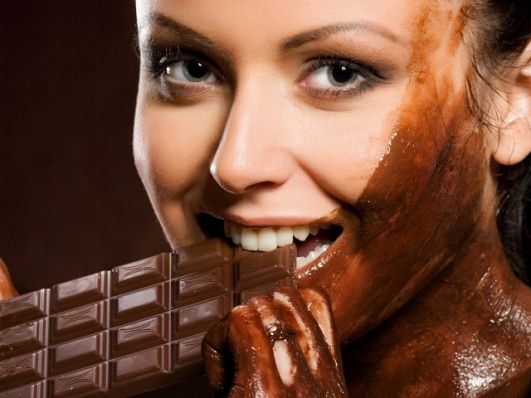
1. Dark Chocolate For Weight Loss
Eating a small piece of dark chocolate is the quickest way to kill your cravings plus dark chocolate is high in fiber which will help keep you full & satisfied longer.
Dark chocolate is bittersweet. Whereas sweet stimulates appetite, bitter actually suppresses it.Dr. David Katz MD, MPH, director of the Yale Prevention Research Center
2. Dark Chocolate Makes You Look Younger
Dark chocolate is high in antioxidants (about 8 times as more than strawberries) which protects your skin from sun damage but,
This does not mean you can get away with not putting on any sunscreen
3. Chocolate the Anti-depressant
Chocolate makes your body release the 'feel good' hormones endorphins & serotonin. A study out of the University of Sussex found chocolate to be better than kissing!
There is no doubt that chocolate beats kissing hands down when it comes to providing a long-lasting body and brain buzz. A buzz that, in many cases, lasted four times as long as the most passionate kiss.Dr. David Lewis
4. Chocolate is an Aphrodisiac
- Studies say people have the same neurological response to chocolate as they do to seeing photos of a person they're in love with.
- Chocolate stimulates the release of dopamine within the brain. Dopamine is what naturally surges throughout the brain during an orgasm.
- Chocolate activates the cannabinoid receptors in the brain. Cannabinoids heighten sensitivity and create overall feelings of well-being.
- Women → How to have more pleasurable orgasms Men → How to last longer in bed
5. Dark Chocolate Good For Teeth
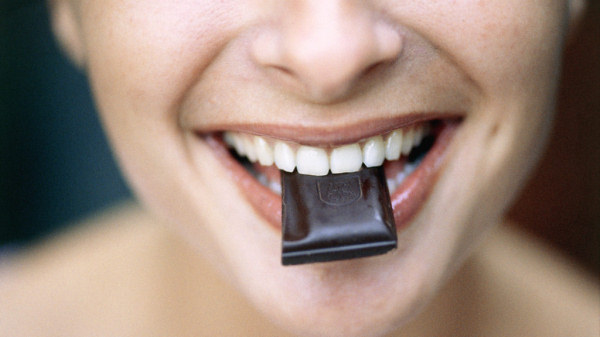
Chocolate contains theobromine which prevents tooth decay by killing the bacteria causing tooth decay.
6. Chocolate Lowers Blood Pressure
Chocolate is full of flavanols that improves blood vessel flexibility. The Kuna Indians who are known to have low blood pressure and are virtually free of heart disease drink lots of unprocessed chocolate.
7. Does It Causes Acne?
Although many studies say there is no direct link between acne and chocolate or any other food,
You'll need to keep a food journal to know for sure if chocolate is making your acne worse → 7 Unexpected Causes of Acne
8. Dark Chocolate to Live Longer?
There's no concrete evidence to support this but Jeanne Louise Calment, who is the world's longest lived person, Lived to be 122 years old and she ate 2½ pounds of dark chocolate per week but,
To Get All The Benefits of Dark Chocolate,
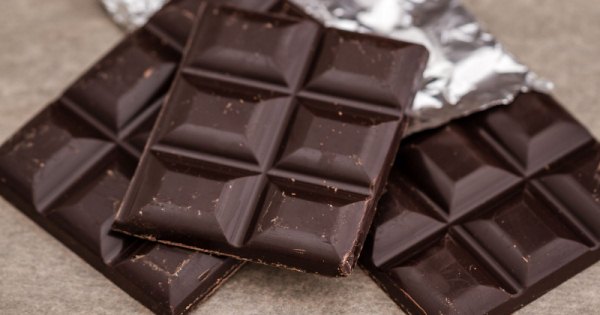
- Eat dark chocolate that is at least 70% cacao like Black Panther Extreme Dark Chocolate (88%) or Ghirardelli Dark Chocolate 72% Cacao and,
- Avoid processed sugary milk chocolate (like snickers, 3 musketeers, etc.) that doesn't have all the fiber, healthy fats & antioxidants dark chocolate has.
More Weight Loss Foods
Weight Loss Drinks
- 9 Weight Loss Drinks → Lose 5 Lbs. in 7 Days
- Top 5 Weight Loss Smoothie Recipes
- How Tequila Helps You Lose Weight
- 8 Fat Loss Teas
- She Lost 106 Pounds Drinking…
- 10 Green Juice Weight Loss Recipes
Super Foods
- 27 Foods for Better Looking Skin
- 15 Foods that Increase Your Sex Drive
- 3 Foods that Reduce Inflammation
More Tips